
Your 2027 beauty device audit: keep, change or pause?
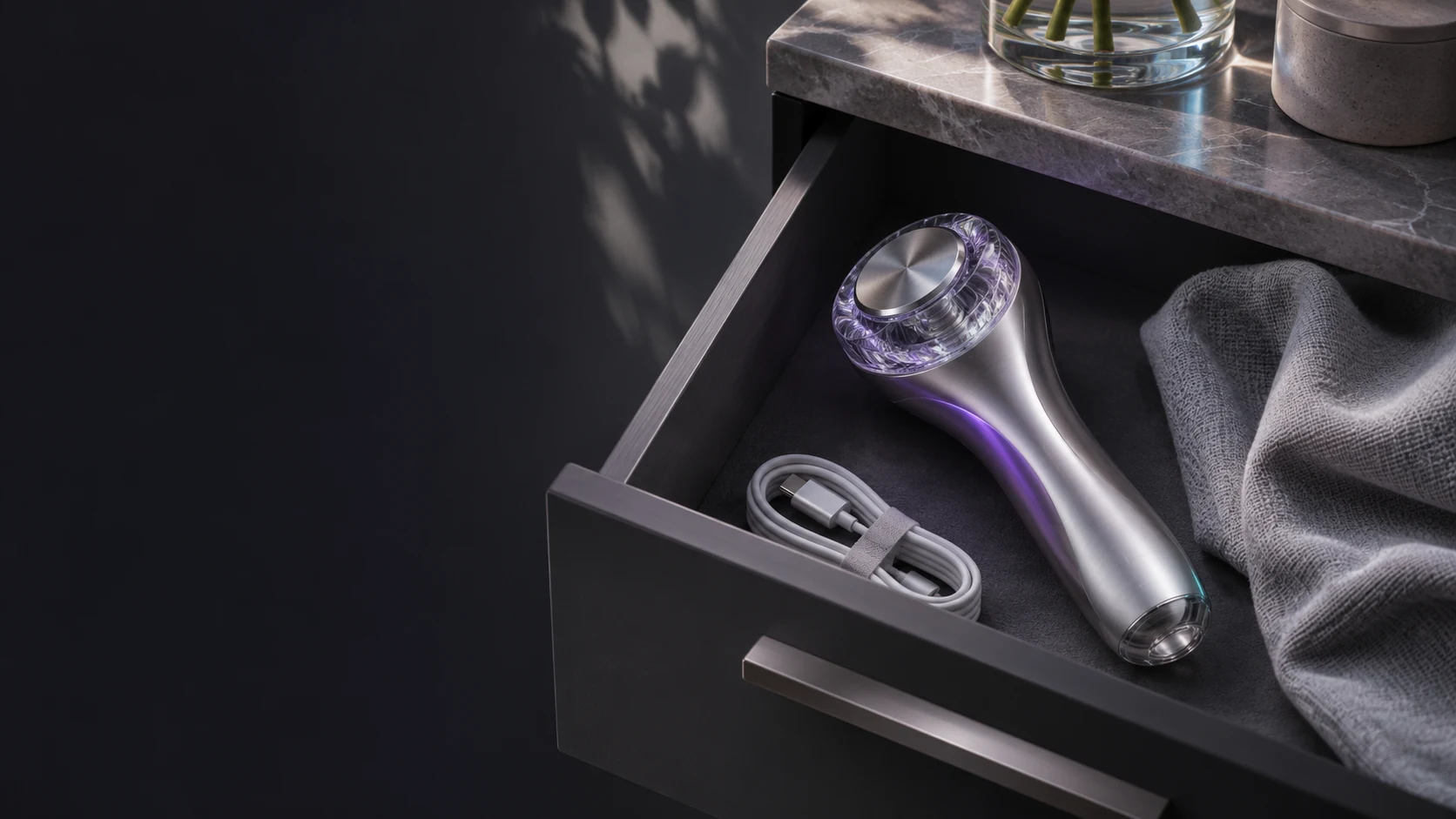
AI-generated editorial illustration; not a photograph of a named device.
A new year does not require a new device. It is a useful time to examine whether the devices you already own fit the routine, budget and expectations that led you to buy them.
This audit gives home users a practical review and clinic buyers a separate ownership check. It does not assess medical suitability, prescribe a treatment routine or promise that a more consistent routine will produce a particular result.
The aim is to make the next decision clearer before another product enters the comparison.
Write down the original reason for buying
Name the exact device and the purpose you hoped it would serve. Then ask whether that purpose still matters to you.
A device may have been bought for a particular event, given as a gift or added during a sale. Revisiting the reason can explain why it never became part of the routine without assuming that the purchase was foolish or that the device has no value.
Keep the question specific. “I wanted a routine I could follow at home” is easier to evaluate than “I wanted better skin”, which can mean many different things.
Compare planned use with actual use
Estimate how often the device was used and what made use easy or difficult. If you do not have a record, make that limitation explicit rather than creating a precise-looking total from memory.
Look for practical barriers: setup, charging, fit, storage, cleaning or a routine that competed with other priorities. Some may have simple solutions within the manufacturer's instructions. Others may mean the device does not suit your preferences.
Do not compensate for missed sessions by increasing use beyond the instructions. This is a review of fit and value, not a reason to intensify a treatment routine.
Separate observations from attribution
You may have noticed a change while using a device. That observation matters to you, but it does not automatically isolate the device's contribution.
Other products, treatments, lighting, photography and the passage of time can affect what you see. If you kept personal photos, review how consistent they were before drawing a strong conclusion.
Equally, a result that did not meet expectations is worth recording. Compare those expectations with the exact-device evidence rather than the strongest general claim you remember from the advertising.
Review the costs you actually incurred
Add the purchase cost and any known accessories, replacement parts or recurring items you bought for the routine. Keep optional purchases separate if they were not required for the device.
Cost per use may help explain your experience, provided the use count is credible and the limitations are clear. It cannot establish clinical value or make a safety question disappear.
Before buying an upgrade, write what it would change. A new model needs to solve a problem you can identify, not simply reset the excitement of owning something new.
Choose a next action
Keep: the device still fits your purpose, instructions and practical routine, and you have no unresolved concern that needs advice.
Change: a practical arrangement could improve the routine within the exact instructions. That might mean storing the manual and charger together or choosing a more convenient time.
Pause: a suitability question, concerning reaction, unclear instruction or unresolved product issue needs attention before continuing. Follow the manufacturer's directions and seek appropriate advice where needed.
These categories are an organising tool. They are not a medical clearance, and “keep” should never overrule a warning or an individual professional recommendation.
A separate audit for clinics
For clinic equipment, compare the assumptions used at purchase with the actual operating record. Review completed treatments, realised revenue, consumables, service, staff time, downtime and training needs.
Separate demand from equipment availability. A machine that was unavailable for repairs creates a different problem from a service that has not attracted the expected bookings.
Review the current supplied configuration, maintenance requirements and evidence relevant to the services being offered. If marketing claims have drifted beyond the verified intended purpose or source evidence, address that before adding more promotional content.
Ask what must be resolved before replacing or adding equipment. The answer may concern the service model, team capability or support contract rather than the machine's specification sheet.
Keep the next comparison small
If the audit identifies a genuine gap, build a shortlist with the exact models, requirements and unanswered questions. Two well-documented options are easier to evaluate than an expanding collection of unrelated products.
For home devices, use the LED mask buying guide. For clinics, use the ownership-cost comparison.
The useful outcome is a decision you can explain with the information you have. Sometimes that is an upgrade. Sometimes it is a better routine or a considered pause.
Sources and scope
Original review framework prepared 15 November 2026 for the January 2027 content period. It does not rely on invented 2027 market statistics, new product launches or predicted results.
- TGA labelling and advertising information for medical devices
- Exact current manufacturer instructions and your own purchase or operating records should guide the relevant checks.
This article does not diagnose a reaction or determine suitability. This article makes no affiliate recommendation or device superiority claim.